Why Texting Beats Phone Calls for PT Follow-Up
Summary
This article explains why SMS is now essential for PT front offices, not optional. It covers how phone-first workflows create delays and lost patients, and how two-way texting improves conversion, consistency, and the patient experience.
Key Takeaways
Every extra day between referral and first visit raises the risk a patient disengages or seeks care elsewhere.
Two-way texting keeps conversation context intact—reducing phone tag and the dropped follow-ups that cost you patients.
Texting between first contact & first visit signals responsiveness during the most fragile part of the patient journey.
Category
Marketing & Lead Conversion
audience
Physical Therapy Marketers
Read Time
4 minute read
LAST VERIFIED
April 21, 2026
For most physical therapy practices, communication hasn’t kept pace with how patients actually live. Clinics still rely heavily on phone calls and voicemail, even as patients increasingly expect faster, more convenient ways to engage.
SMS isn’t a trend or a “nice-to-have” anymore. It has become one of the most reliable ways to reduce friction, improve follow-up, and keep patients moving through care. It’s all about meeting patients where they are.
The Reality of Patient Communication Today
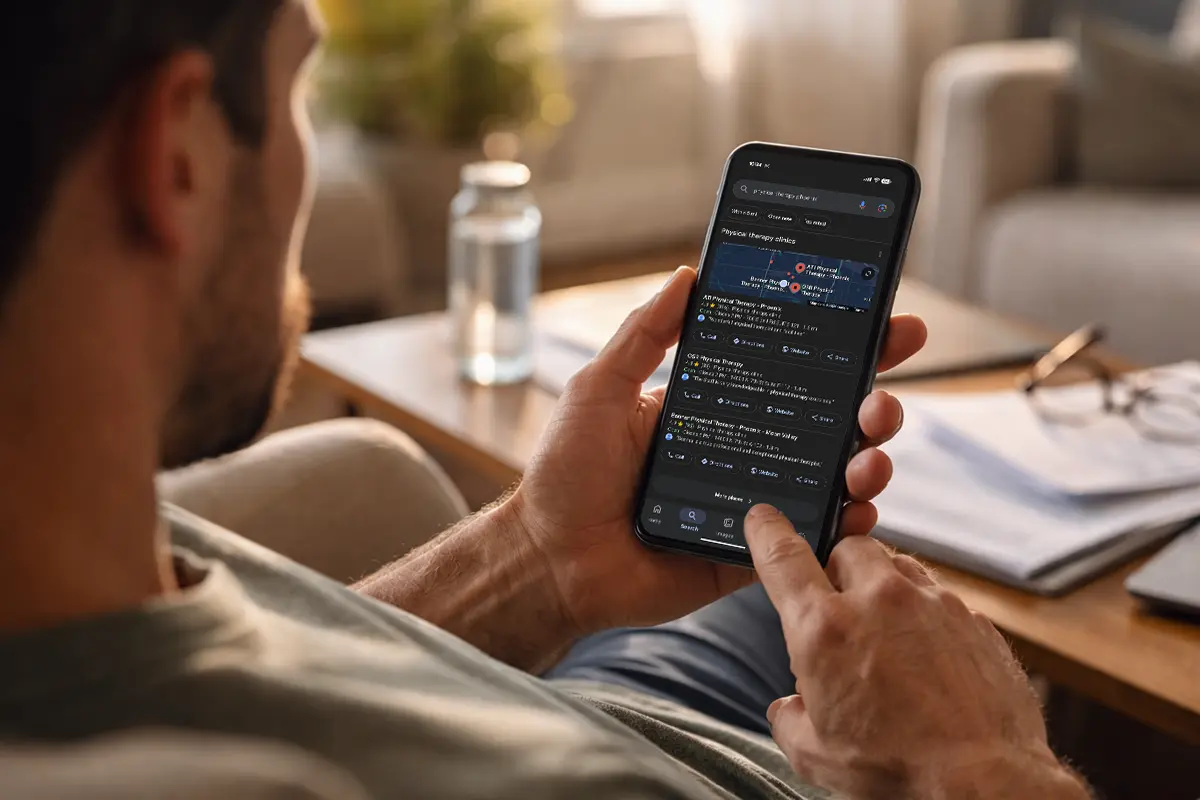
Patients are busy: they screen calls, they miss voicemails, and they don’t always have time to sit on hold during business hours just to confirm an appointment or ask a simple question.
When communication requires perfect timing—both parties available at the same moment—delays are inevitable. And in physical therapy, delays matter. Every extra day between referral and first visit increases the risk that a patient disengages, seeks care elsewhere, or gives up entirely (and potentially winds up with a more costly, invasive treatment).
Texting removes that timing dependency. It allows patients to respond when it works for them, without friction or pressure.
Faster Communication, Better Patient Experience
Patients don’t measure their experience in operational metrics. They measure it in how easy it was to get started, how quickly questions were answered, and how supported they felt.
Texting shortens the distance between a question and an answer. It reassures patients that they haven’t been forgotten. It reinforces trust before they ever step into the clinic.
That trust shows up later as better attendance, stronger care plan adherence, and better outcomes.
Why Phone-First Workflows Break Down
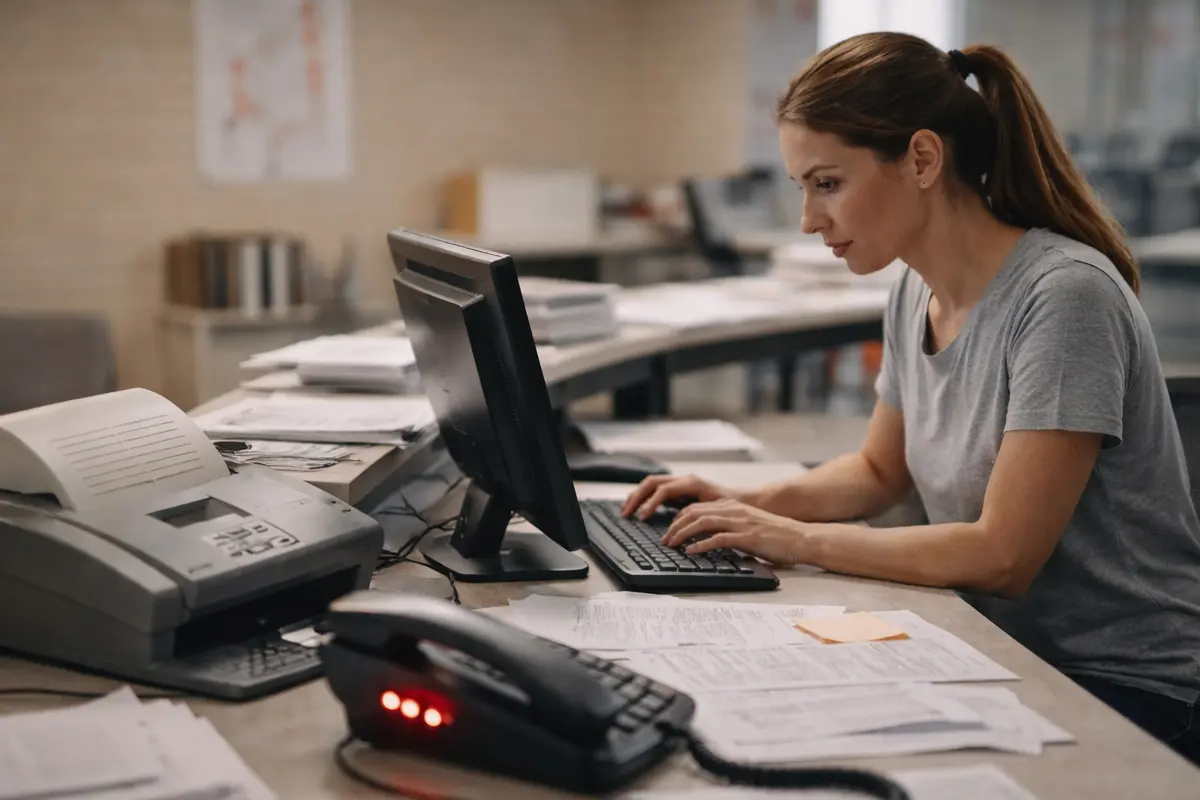
Front desk teams know this problem well. Phone tag consumes time without moving work forward. Staff leave messages, then patients call back while the desk is busy—sometimes notes get written down to call them back, sometimes patients hang up without leaving a voicemail.
The result isn’t just inefficiency—it’s lost opportunity.
Two-way texting introduces continuity into that process. Conversations persist, context stays intact, and follow-up becomes easier to manage and less dependent on memory.
Texting as a Conversion Tool, Not Just a Reminder
Texting is often framed as a reminder channel: appointment confirmations, same-day nudges, or no-show prevention.
Those are important, but they’re only part of the value.
Where texting really shines is in the moments between first contact and scheduled visit. A quick message acknowledging a referral, a follow-up after a missed call, or a simple check-in when paperwork hasn’t been completed are all great use cases.
These touchpoints signal responsiveness and professionalism, and they make your practice feel accessible because they allow for a conversation to occur on the patient's terms. It’s an important piece of keeping patients engaged during the most fragile part of the journey.
Improving Consistency Without Adding Work
One of the biggest challenges in front-office operations is consistency. Different staff members communicate differently. Some follow up diligently, while others get pulled into competing priorities.
Texting helps standardize communication without scripting people into robots. Templates, workflows, and visibility into prior messages allow teams to respond quickly while staying aligned.
The goal isn’t to remove the human element—it’s to support it.
Where Texting Fits Into a Modern Front Office Workflow
Texting is most effective when it’s not treated as a standalone, one-way tool.
When messages live alongside referral documents, lead status, and scheduling activity, teams gain context. Conversations inform next steps. Nothing disappears into a separate inbox or personal phone.
In that environment, texting becomes part of the operating system—not another thing to manage.
The Bigger Picture
Texting doesn’t replace phone calls. It complements them. It fills the gaps where traditional communication breaks down and supports patients in the moments where momentum matters most.
For practices looking to improve conversion, reduce no-shows, and deliver a more modern experience, texting isn’t about convenience—it’s about follow-through.
If your front office is still relying on calls and voicemails to manage modern patient demand, it may be time to rethink the workflow.
Second Door helps practices integrate two-way texting directly into their front office operations—so communication is faster, clearer, and easier to manage at scale.
Want to see how it works? Let’s talk about your current workflow and where simple changes can unlock better results.